

Adult adoptees in Georgia waited 64 years for this moment. On July 1st, 2025, a fundamental civil right was restored: the ability to access your own original birth certificate without hiring an attorney, filing court petitions, or spending thousands of dollars with no guarantee of success.
Andee’s Law (SB 100) didn’t just change administrative procedures – it corrected a historical injustice that had persisted since 1961, when Georgia began treating adult adoptees differently from every other citizen seeking their own vital records. What once required significant legal fees and waiting periods of four to six months now costs approximately $25 and in most cases only takes a few weeks.
If you’re an adult adoptee in Georgia, understanding exactly what’s changed – and what hasn’t – is crucial for making informed decisions about your next steps.
The Long Road to Restoration
Until 1961, Georgia adoptees had the same access to their birth certificates as any other citizen. Then, driven by changing social attitudes about adoption and privacy, the state began sealing original birth certificates and requiring court orders for access.
What started as a policy intended to protect privacy became a barrier that affected generations. Adult adoptees found themselves unable to access their own vital records – something every other citizen could do by simply visiting a vital records office.
The financial burden was substantial, but the emotional toll was often higher. Many adoptees described feeling like second-class citizens, barred from information about their own origins that others took for granted.
The Georgia Alliance for Adoptee Rights (GAAR), founded in 2020 by Courtney Humbaugh and Jamie Weiss, led the grassroots advocacy effort that made this legislation possible. Their approach was methodical and bipartisan, focusing on the fundamental fairness argument rather than getting caught up in broader political debates about adoption policy. Our firm also played a role in this legislative victory, with partner Lila Bradley working alongside legislators and advocates to help bring Andee’s Law to passage.
Senator Randy Robertson sponsored the bill, with Representative Joseph Gullet carrying it in the House. The results speak to how compelling the case was: unanimous passage through the Senate Children and Family Committee, unanimous Senate floor vote, and House passage by a margin of 145-14.
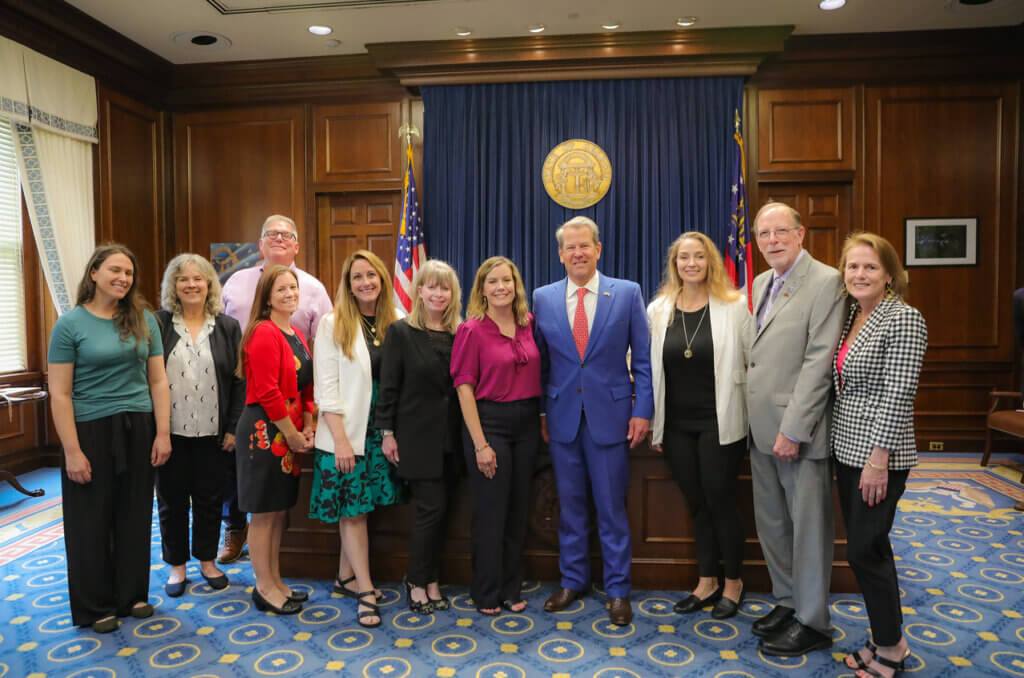
Caption: Partner Lila Bradley (second from left) at the signing of SB 100 (Andee’s Law) with Governor Brian Kemp, celebrating the restoration of adoptee birth certificate rights in Georgia.
In today’s political climate, that level of agreement on any family-related issue is remarkable. The collaboration between grassroots advocates, legal professionals, and legislative leaders demonstrates what’s possible when the focus remains on fundamental fairness and civil rights.
Your New Rights: What Changed on July 1st
If you’re an adult adoptee (18 or older) born in Georgia, you now have the right to request a non-certified copy of your original, pre-adoption birth certificate directly from the Georgia Department of Public Health.
The process is straightforward. You can submit your request online through the official DPH website at dph.georgia.gov/ways-request-vital-record/birth. You’ll need to provide:
- Proof of identity (driver’s license or state ID)
- Your current legal name
- Any known information about your birth name or birth parents
- The appropriate fee (currently around $25)
Processing typically takes 10-15 business days, though it can be faster for straightforward cases. You’ll receive a copy of your original birth certificate showing your birth name, birth parents’ names (if listed), and other vital information recorded at the time of your birth.
This represents a massive change in accessibility. Where families once spent months navigating legal processes, you can now handle the entire transaction online or through the mail. Where legal fees once reached thousands of dollars, you’re looking at a processing fee similar to any other vital record request.
Important note: The birth certificate you receive will be marked “non-certified” and cannot be used for official purposes like passport applications or employment verification. For those needs, you’ll still use your amended birth certificate. The original birth certificate’s value lies in the personal and family history information it provides.
Understanding the Limitations: What’s Still Sealed
Many adoptees discover that their birth certificate, while valuable, is just the beginning of their family history journey. Andee’s Law specifically addresses birth certificates, but it doesn’t open access to the complete adoption file.
Court adoption records remain sealed and require legal action to access. These files often contain:
- Social histories of birth parents
- Medical information and family health history
- Reasons for the adoption placement
- Communications between agencies and families
- Court proceedings and legal documentation
Department of Human Services (DHS) adoption files are also still protected. These records frequently include:
- Detailed background information about birth families
- Counseling records and social worker assessments
- Medical and psychological evaluations
- Post-placement follow-up reports
For many adoptees, the birth certificate raises as many questions as it answers. Learning your birth mother’s name might lead you to wonder about her circumstances, her other children, or her current situation. Understanding your birth father’s identity might prompt questions about his family medical history or cultural background.
When the Birth Certificate Isn’t Enough
Birth certificates provide identification but limited context. For adoptees interested in family health history, understanding the circumstances of their adoption, or making informed decisions about potential reunification, the complete adoption record becomes essential.
This is where the legal distinction becomes crucial. While you can access your birth certificate independently, unsealing court records and DHS files requires professional legal assistance and court approval. The good news? Having your birth certificate makes that process more straightforward and often more successful.
Medical History and Health Considerations
One of the most practical reasons adoptees seek their original records involves medical history. Genetic counselors regularly work with adoptees trying to understand their health risks, and comprehensive health decisions often require more detailed family medical history than a birth certificate provides.
This becomes particularly important for adoptees dealing with:
- Cancer risk assessment and genetic testing decisions
- Heart disease and other hereditary conditions
- Mental health treatment planning
- Pregnancy and reproductive health decisions
- Pediatric care for their own children
The birth certificate might identify your birth parents, but it won’t tell you whether your birth grandmother had breast cancer or your birth father’s family had a history of heart disease. That information typically resides in the complete adoption file.
Preparing for Emotional Impacts
Accessing your birth certificate is more than an administrative task – it’s an emotional milestone that can bring unexpected reactions. Adoption counselors who work with adoptees through this process note that people experience a wide range of responses.
Some expect to feel immediate joy or relief. Others are surprised by feelings of sadness, anger, or confusion. All of these reactions are normal and valid.
The birth certificate might confirm information you’d suspected or reveal details that challenge your understanding of your adoption story. Birth parents might be older or younger than you’d imagined. Names might be different from what you’d been told. The birth father might be listed or notably absent.
Some adoptees find that seeing official documentation makes their adoption feel more real, while others experience grief for the life they didn’t have. These reactions don’t mean you’ve made a mistake in seeking the information – they’re part of processing a complex part of your identity.
Counselors recommend considering support before and after accessing your records. Having someone to process the information with can be valuable for navigating what you discover.
Building Your Support Network
As you consider accessing your birth certificate and potentially your complete adoption records, think about the support you’ll need throughout the process. This might include:
Professional support: Therapists experienced in adoption issues can help you process new information and plan next steps. Genetic counselors can help you understand health implications. Attorneys specializing in adoption records can guide you through accessing sealed files.
Personal support: Family members, friends, or other adoptees who understand what you’re experiencing. Online communities and local support groups can provide perspective from others who’ve walked this path.
Practical support: People who can help with research, accompany you to appointments, or simply be available when you need to talk through what you’re discovering.
Connecting with other adult adoptees who’ve been through similar experiences can be particularly valuable. GAAR maintains resources for adoptees navigating this process, and many find comfort in sharing their journey with others who truly understand.
Planning Your Next Steps
Once you’ve received your birth certificate, you’ll need to decide whether you want to pursue additional information. This decision is deeply personal and there’s no right or wrong choice. Some adoptees are satisfied with the basic information their birth certificate provides. Others use it as the foundation for more extensive research.
If you’re interested in accessing sealed court or DHS records, the birth certificate provides crucial information for your attorney. Names, dates, and case numbers from your birth certificate help legal professionals locate the correct files and build stronger petitions for record access.
Consider your goals carefully:
- Are you primarily interested in medical history?
- Do you hope to make contact with birth family members?
- Are you trying to understand the circumstances of your adoption?
- Do you want comprehensive family background information?
Your answers will help determine whether the birth certificate meets your needs or whether pursuing complete adoption records makes sense for your situation.
Working with Legal Professionals
When the birth certificate leaves important questions unanswered, experienced adoption attorneys can help you access the complete story. The process for unsealing court records requires understanding Georgia’s specific procedures and building a compelling case for why access serves your legitimate interests.
At Claiborne | Fox | Bradley | Goldman, we’ve helped hundreds of adoptees navigate this process over our 30 years of practice. Each case involves unique considerations, from locating decades-old files to addressing potential privacy concerns of birth families.
Having your birth certificate significantly strengthens your case for accessing additional records. Courts are more likely to grant access when you can demonstrate specific information needs that can only be met through the complete file.

